A window treatment consultation is a working visit, not a sales presentation: every window in the house gets measured, the rooms get walked and discussed one at a time — light, glare, privacy, heat, view — and real samples get held up against your actual glass in your actual afternoon light. You should leave with a firm, itemized quote covering product, hardware, motorization if you want it, and installation.
What a walkthrough looks like in a view-driven house
Most of the houses we measure in Malibu, Pacific Palisades, Santa Monica, Brentwood, Venice, Marina del Rey, Manhattan Beach, Redondo Beach, Palos Verdes Estates, Bel Air, Beverly Hills and Topanga have one thing in common that changes how a consultation runs: the windows are not all the same problem. A Point Dume great room with 30 feet of ocean-facing glass and a hallway bathroom in the same house need completely different answers, and the only way to get that right is to go room by room.
So the visit is structured around rooms, not around a product. In each one, the conversation is roughly:
- What is the room for, and when do you use it? A Santa Monica Canyon home office that's occupied from nine to five has a glare problem. A Malibu Colony guest room that's used four weekends a year does not.
- What is the window doing wrong right now? Sun on the floor at 4pm. Neighbors looking straight in. Fading on the walnut. Too dark on marine-layer mornings. Each of those points to a different fabric or product.
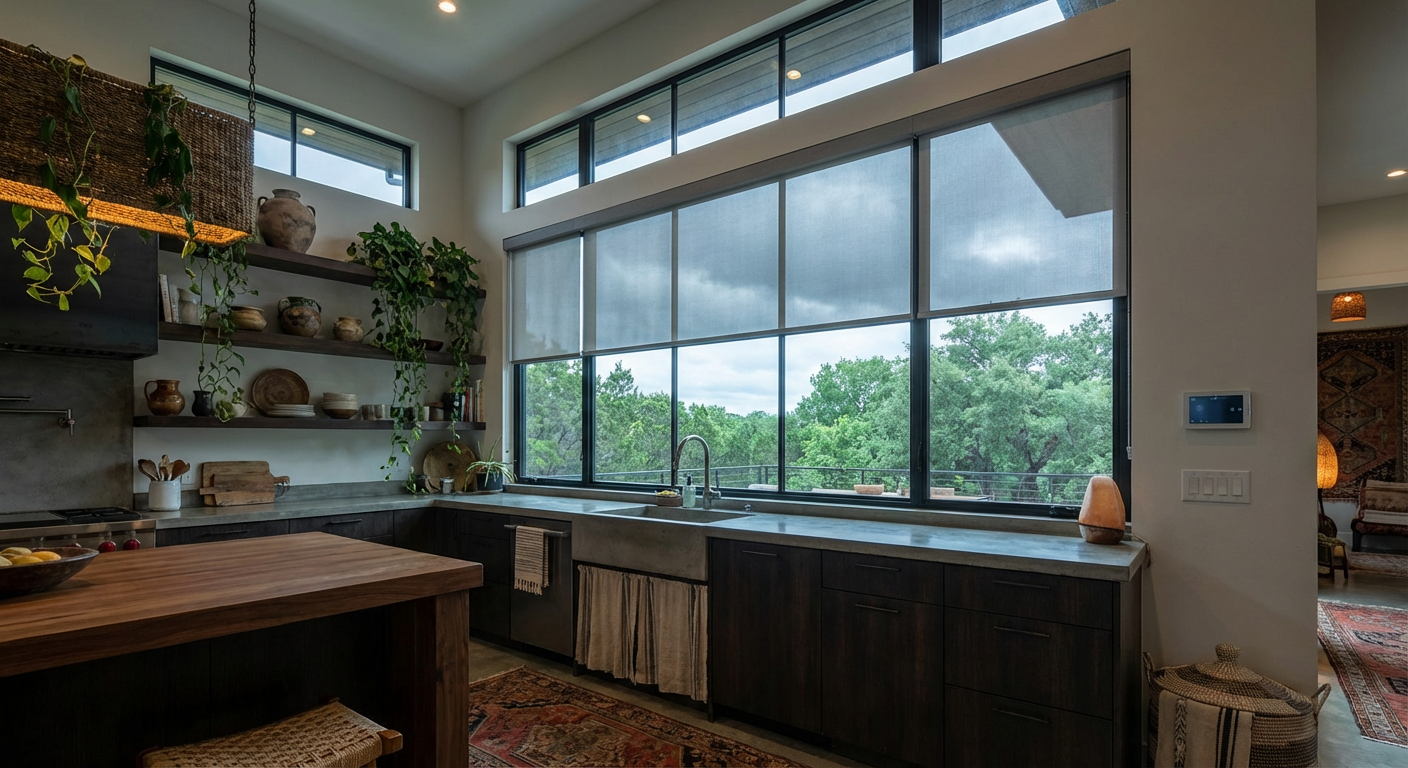
- What do you need to keep? On a view wall, this is usually the whole point. If the answer is "we want the water visible from the sofa at sunset," that eliminates entire categories before anyone opens a sample book. We wrote about that tradeoff in more depth in cooling a west-facing ocean-view room.
- How much operating are you actually going to do? Honest answers here decide motorization more than anything else.
The rooms you don't care about get covered quickly. The two or three that drive the whole project get most of the time.
In Malibu & West Los Angeles? Get a free quote from a local installer
Send us your window sizes and a few photos and we'll quote you, usually the same day. Want us to come out with samples and measure? The consultation is free. Call or text us three days and times that work.
Serving Malibu, Pacific Palisades, Santa Monica, Brentwood, Bel Air and nearby.
The measuring part, and why it covers windows you weren't planning to do
Every opening gets measured, including the ones you've said you're not ordering yet. That costs nothing extra and it means that when you add the upstairs bedrooms in eight months, the sizes already exist and the product matches. Homes on The Strand or in Brentwood Park frequently get done in phases; having the full window schedule on file is what keeps phase two from looking slightly off.
Measuring is also where the surprises surface, and a Westside house produces a specific set of them:
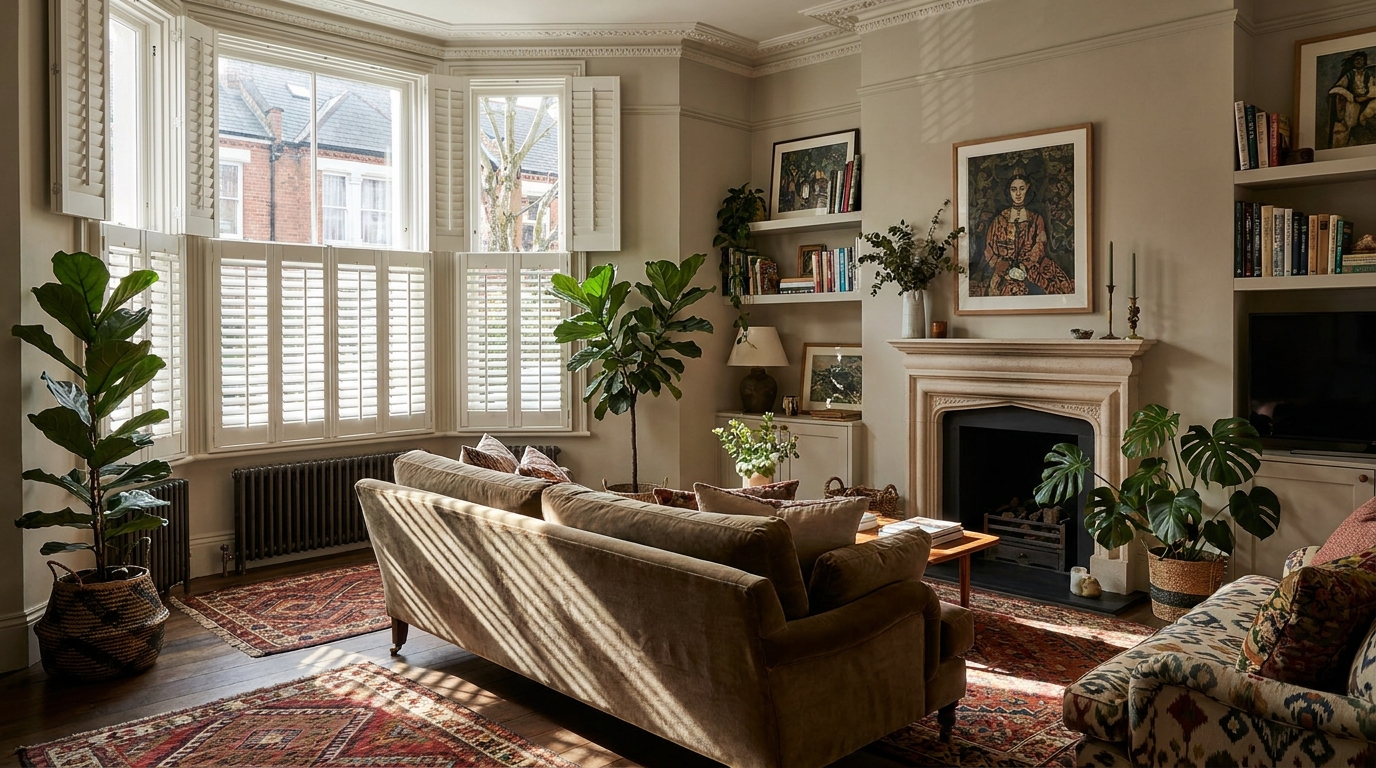
- Out-of-square openings. Common in older Santa Monica Canyon and Topanga houses and in anything that has settled. A quarter inch of difference top to bottom changes whether an inside-mount shutter frame will sit flush or need a filler strip.
- Depth. Whether a shutter or a roller cassette can mount inside the opening, or has to sit outside it, is a depth question. It changes the look and sometimes the price.
- Tall and stacked glass. Two-story view walls and transoms need a decision about whether the upper units operate at all, and if they do, how you reach them.
- Power. If motorization is in play, the measure includes looking for outlets, checking whether anything is hardwired, and noting where a charging port or a low-voltage run would have to land. On new construction and rebuilds this is the conversation that has to happen before drywall.
- Hardware exposure. Anything within reach of salt air — an oceanfront slider, an open-corner pocket door, a covered patio — gets flagged so the hardware spec matches the environment instead of corroding in two seasons.
- Sightline rules. Hillside and HOA-governed tracts sometimes dictate what the street or the neighbors can see. If your association has a rule about exterior-visible color, it's better to know at the measure than at install.
Samples, and why they get held against your glass
Fabric and finish decisions made in a showroom under LED light are frequently wrong. Marine-layer morning light and low-angle 5pm light off the water are two different environments, and a solar screen that looks perfectly opaque in a catalog can wash out completely when the sun is horizontal.
So real samples come to the house: shutter louver sections in the actual finishes, solar screen swatches at several openness factors so you can look through them at your own view, roller and cellular fabrics, woven wood pieces, drapery cuttings. You hold them up. You look at what disappears and what doesn't.
The other thing that happens here is a range of price levels for the same room, explained honestly. Typical installed pricing looks like this:
| Product | Installed range |
|---|---|
| Plantation shutters | $55–$106 per square foot (12 sq ft minimum billable per opening) |
| Roller, solar, zebra and cellular shades | $495–$955 per window |
| Roman and woven wood shades | $550–$1,400 per window |
| Wood and faux wood blinds | $250–$650 per window |
| Custom drapery | $800–$2,500 per window |
| Motorization, added per shade | $200–$500 per window |
Those spreads are wide because the components inside them are genuinely different — tube diameter, motor class, fabric mill, hardware finish. A good consultation tells you which end of the range your room lands in and why, rather than quoting one number and hoping you don't ask.
A short checklist of what to have ready
None of this is required. All of it makes the visit faster and the quote more accurate.
- Rank your rooms. Which two or three matter most, and which ones are "eventually." This drives phasing and budget.
- Flag the problem windows. The one that cooks in the afternoon, the one with glare on the TV, the bathroom that faces the neighbor's deck, the slider whose existing vertical blinds you hate. Name them specifically.
- Pull your inspiration photos. Screenshots are fine. What people save reveals whether they actually want a hard louvered look, a soft fabric look, or drapery layered over shades.
- Decide how you feel about motorization. You don't need a final answer, just a position: definitely, maybe on the tall glass only, or no. Anything above reach or behind furniture is the usual candidate.
- Have a rough budget number. Not to spend it — to aim. Whether the project is eight windows or twenty-eight changes which products make sense.
- Note UV concerns. If you have art, a rug, or a wood floor you're protecting, say so. It moves the conversation toward fabric openness and UV rejection rather than looks alone.
- Gather any other quotes. Bring them out. Line-by-line comparison is the fastest way to see what's actually different, and our quote comparison checklist covers what to look for.
What you should leave with
A firm quote, itemized by window, with the product, fabric or finish, mount type, control type, and hardware spelled out. Installation is included in the price we quote — it is not a line added later. Lead times are stated up front, not estimated vaguely. The install warranty is 12 months; manufacturer warranties vary by product and get identified by product, not waved at.
You should also leave knowing which decisions are still open and which are locked. It is normal to settle the shutters in the bedrooms and keep thinking about the view wall for a week. Nothing is ordered until you approve it.
If you'd rather not have anyone at the house yet, you can send sizes and photos and get a remote quote, or upload a quote you already have to our free Quote Check tool and get a read on what's inside it.
When you're ready for the real thing: book a visit. Someone comes to the house, measures every window, brings real samples to hold against your own glass, and you get a firm quote. We're available Monday through Friday, 8am to 6pm.
Frequently asked questions
Do I need to know what product I want before booking a consultation?
No. Most homeowners book with a problem rather than a product — a room that's too hot, glare on a screen, or neighbors with a sightline into the bedroom. The walkthrough works backward from the problem to the product, and samples get compared against your own glass before anything is chosen.
Will every window in the house get measured, even ones I'm not ordering?
Yes. Measuring the full house costs nothing extra and means that if you add rooms later, the sizes and the product spec already match. Phased projects are common on larger Westside homes, and a complete window schedule is what keeps phase two consistent with phase one.
Can I get a quote without anyone coming to the house?
You can send window sizes and photos for a remote quote. It's useful for straightforward openings and for getting a budget range early. Anything involving tall glass, out-of-square openings, motorization power, or an inside-mount depth question is more accurate measured in person.
What should I do with quotes I've already received from other companies?
Bring them out during the visit, or upload them to the free Quote Check tool at /quote-check. Comparing line by line — fabric, hardware, mount, control type, whether install is included — is the only way to tell whether two quotes are actually for the same thing.
Is installation included in the quoted price?
Yes. Installation is included in the prices we quote, not added afterward. The install warranty is 12 months; manufacturer warranties vary by product and are identified per product on the quote.
In Malibu & West Los Angeles? Get a free quote from a local installer
Serving Malibu, Pacific Palisades, Santa Monica, Brentwood, Bel Air and nearby.
- Quote from your window sizes and photos, usually the same day
- See real samples in your space
- We carry every major manufacturer